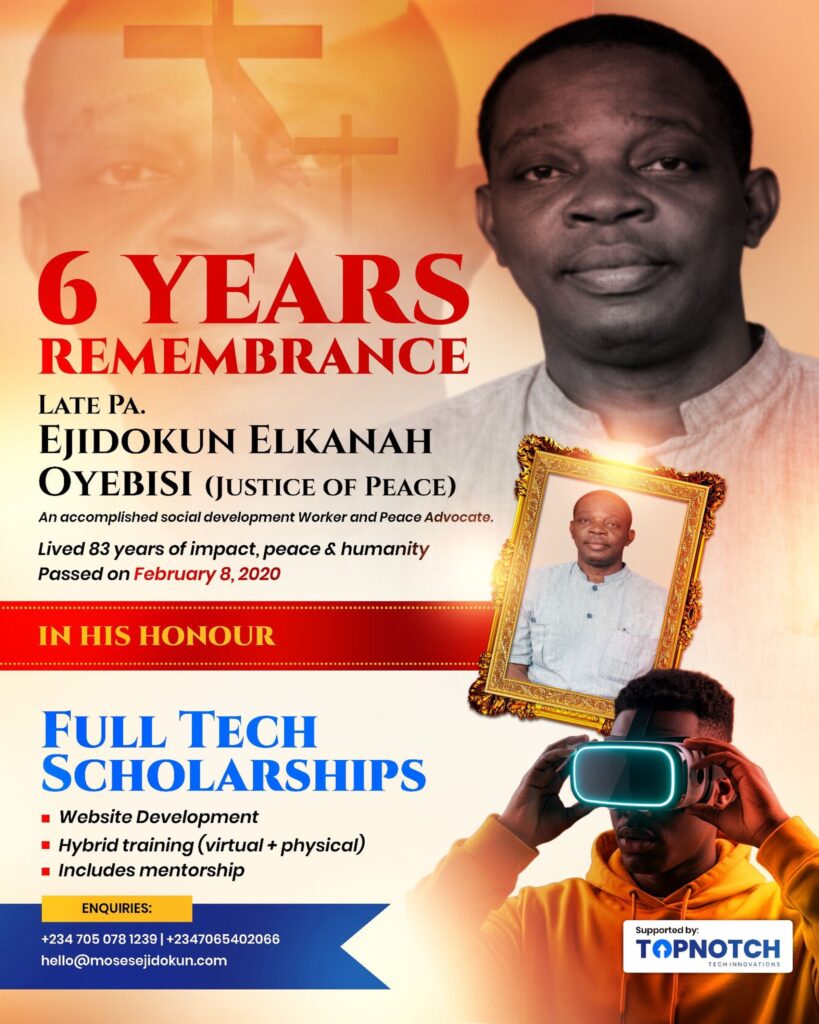

As the world accelerates into the era of artificial intelligence, automation, and digital innovation, nations are no longer competing solely on the strength of their natural resources. They are competing on the quality of their human capital and their ability to prepare young people for a rapidly evolving digital economy.
Nigeria cannot afford to be left behind.
While governments continue to debate economic diversification and youth employment, one critical issue receives far less attention than it deserves: digital awareness among our young people. This is not merely an educational concern; it is an economic, social, and national development imperative.
For years, I have advocated for greater investment in digital education because I have seen, firsthand, both the immense potential of our children and the barriers standing in their way. During visits to public schools in Osun State, I have encountered brilliant students whose curiosity and determination are undeniable. Yet many have never had meaningful access to computers, reliable internet, or modern digital learning tools.
The problem is not a lack of talent. The problem is a lack of opportunity.
Digital awareness is often mistaken for the ability to use a smartphone or navigate social media. In reality, it is much broader. It encompasses digital literacy, online safety, cybersecurity awareness, critical thinking, media literacy, responsible use of artificial intelligence, and the ability to create solutions using technology rather than merely consume it.
These are no longer optional skills. They are essential life skills.
The future of work is already here. Careers in software engineering, cybersecurity, data analytics, cloud computing, artificial intelligence, robotics, digital marketing, fintech, and e-commerce are expanding at an unprecedented pace. Unfortunately, many of our educational institutions remain disconnected from these realities.
The consequences are significant. Every child denied digital education today risks exclusion from tomorrow’s economy. Every school without functional ICT facilities widens the inequality between those who can compete globally and those who cannot.
Nigeria possesses one of the world’s largest youth populations. Properly equipped, this demographic advantage can become our greatest economic asset. Neglected, it could become a missed opportunity with lasting consequences.
For Osun State, the path forward is clear. Digital education must become a strategic priority, supported by sustained investment in ICT infrastructure, teacher training, STEM programmes, coding and robotics clubs, innovation hubs, digital libraries, and reliable internet connectivity across public schools. These initiatives should not be viewed as expenses but as long-term investments in economic growth, innovation, and social progress.
The private sector also has a critical role to play. Technology companies, financial institutions, telecommunications firms, educational foundations, and development partners should collaborate with government to expand digital access, provide mentorship, support innovation competitions, and equip schools with modern technology.
Education must evolve beyond preparing students merely to pass examinations. It must prepare them to solve problems, create value, and compete confidently in a global digital economy.
As someone deeply committed to technology, education, and innovation, I remain optimistic about what is possible. I believe Osun State can emerge as a national leader in digital education if we embrace bold policies and make deliberate investments in our young people.
The nations that will define the future are those investing in classrooms today. They understand that innovation begins with education and that prosperity follows knowledge.
Nigeria must embrace the same vision.
Our children deserve more than promises. They deserve schools equipped for the future, teachers empowered with digital skills, and learning environments that inspire innovation.
If we genuinely seek sustainable economic development, reduced unemployment, and global competitiveness, then digital awareness must become a central pillar of our educational reforms.
The digital revolution will not slow down while we deliberate. Every year of inaction widens the gap between Nigeria and the nations leading the knowledge economy.
The responsibility before us is clear. We must stop preparing our children for the world we grew up in and begin preparing them for the world they will inherit.
When history reflects on this generation of leaders, educators, and citizens, may it be said that we recognised the urgency of the digital age—and chose to invest in the limitless potential of Nigeria’s young minds.
ABOUT THE AUTHOR
Moses Ejidokun is the Founder of Topnotch Tech Innovations Ltd. He is a technology entrepreneur, digital marketing professional, and cybersecurity learner with a strong interest in digital education, STEM, innovation, and youth development. He advocates for policies that expand access to technology and equip young Nigerians with the skills needed to thrive in the digital economy.